Northern winters have a clean and honest edge. The outdoor air is arid and crisp, while heavy radiators keep living rooms warm enough for just a T-shirt. The warmth is sealed in, while the cold is locked out.
Shanghai in winter plays by different rules. Without central heating, dampness soaked straight through wool coats and settled deep into concrete dormitory stairwells, following you under the blankets until the chill sat permanently in your fingertips and bones.
The winter culinary mechanism required a complete reset too.
Imagine you had a palate shaped by grandparents from Hunan and Sichuan, heavy chili oil, dried peppers, numbing peppercorns, and thick broths had defined winter warmth. And you’d expect every winter meal to bring sweat to the forehead. At first, local Jiangnan cooking tasted almost too faint to push back the dampness. Then Minor Snow (小雪, Xiǎoxuě) arrived, and a friend set a steaming clay pot of Yanduxian (腌笃鲜) on the table, pale and fragrant without a single dried chili in sight.
The name itself tells the story.
Yan (腌) means the salt-cured pork, aged with time.
Du (笃) is the Jiangnan onomatopoeia for slow simmering, the gentle bubbling sound of a pot ticking over low charcoal.
Xian (鲜) is the fresh cuts of pork belly and sweet autumn bamboo shoots.
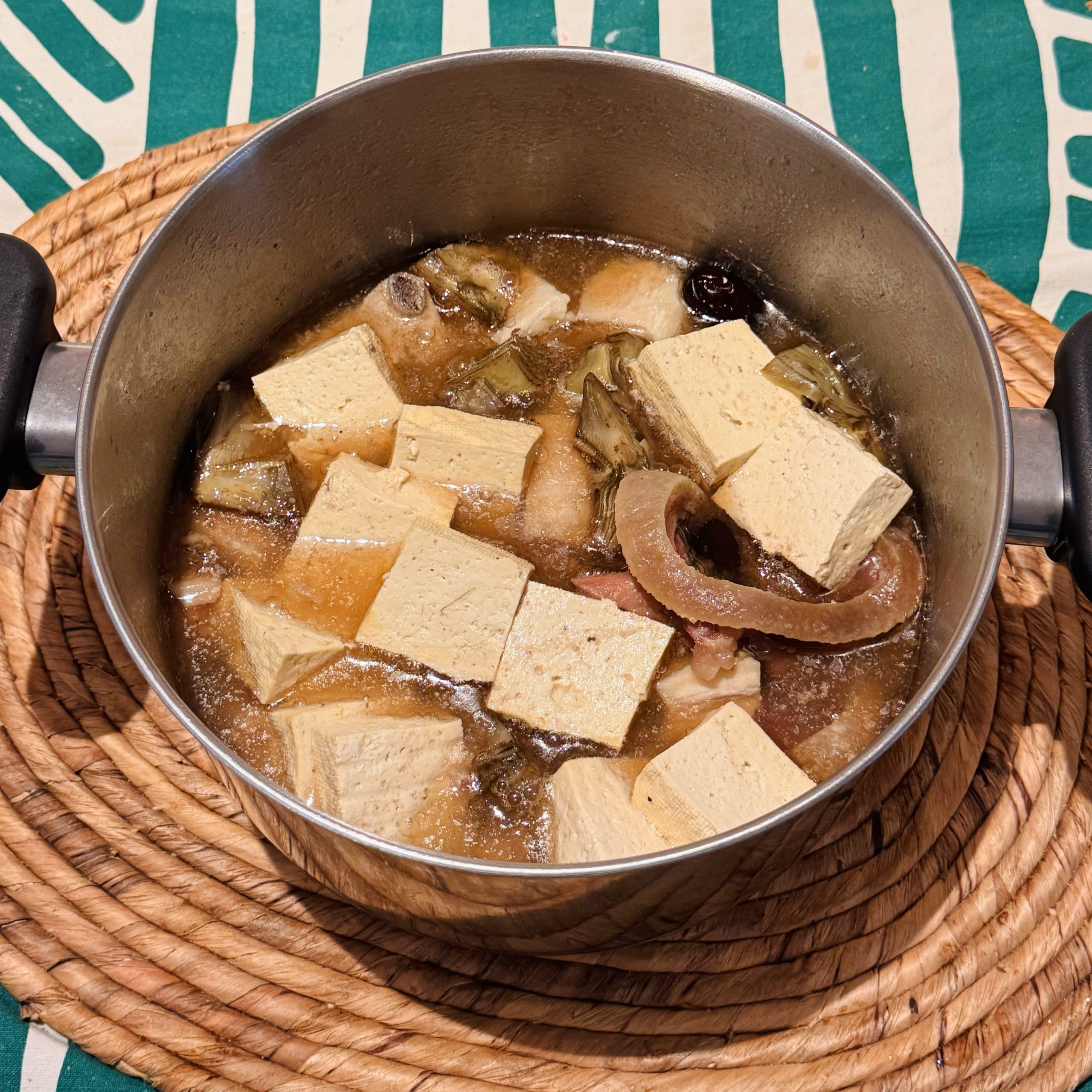
The cured meat surrendered its salt, the fresh pork gave richness, and dried bean curd sheets(compressed tofu) tied into neat knots soaked up the milky, fragrant broth. One sip changes everything —you didn’t need chilies to get rid of the damp chill away.
Years later, sitting at a family table in northwestern Spain, that exact broth reappeared in a wide ceramic tureen. My Galician mother-in-law ladled out Caldo gallego.
The milky broth, the deep savory note of cured pork bones and pork fat, the tender greens that cut through the richness. It felt uncanny. Galicia sits on Spain’s wet, misty Atlantic edge, sharing the exact same bone-deep November dampness as the Yangtze River Delta. Separated by an entire continent, both coasts arrived at the same kitchen wisdom: pair pork cured from last winter with fresh meat and seasonal greens, then let gentle heat coax everything into a quiet broth.
In the Kitchen: The Mediterranean Yanduxian
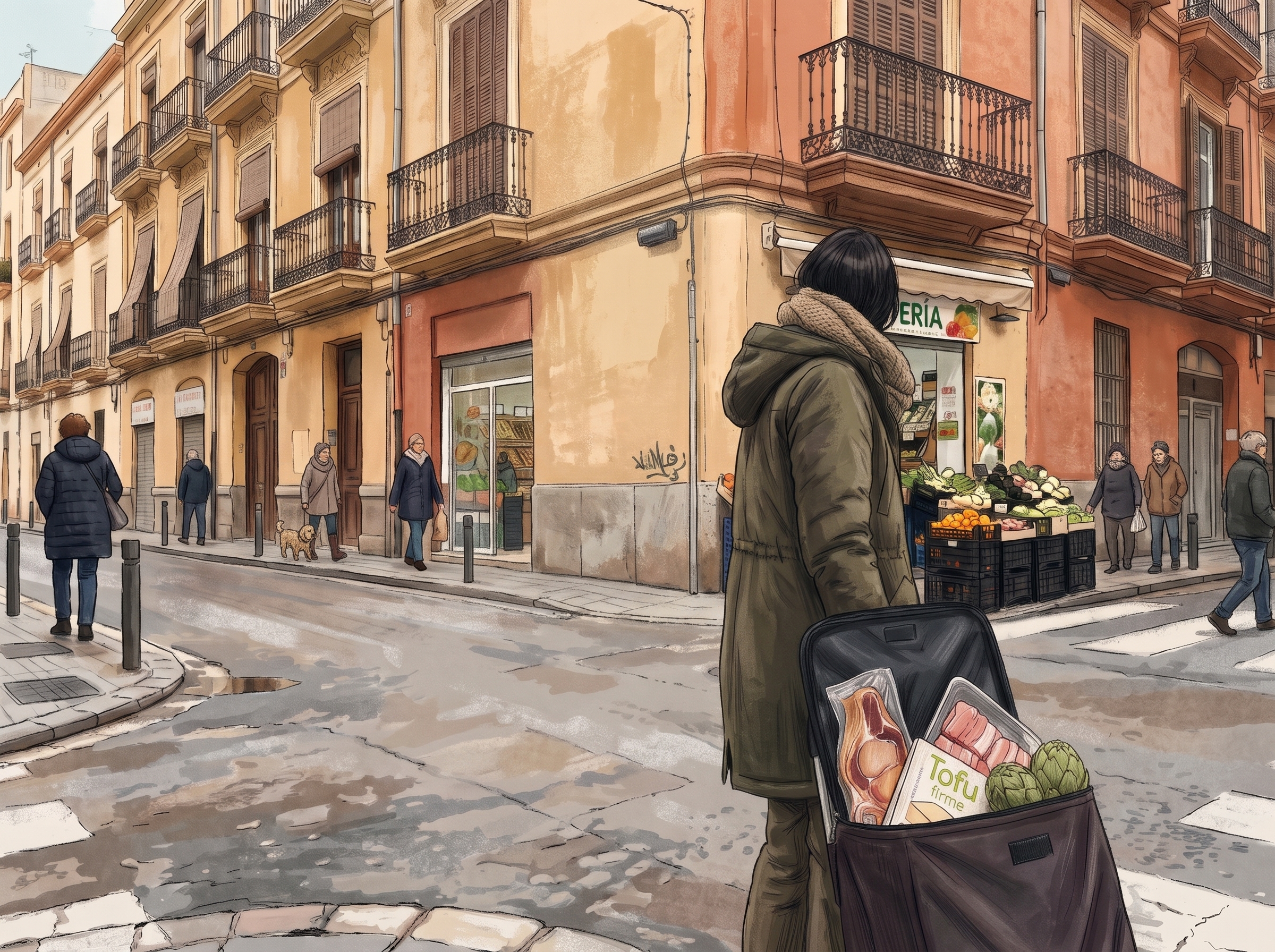
In our Valencia kitchen, we looked to local ingredients to answer this winter craving. Spanish cured ham and its bone make a natural stand-in for Jinhua ham, while fresh artichoke hearts bring the earthy sweetness of bamboo shoots alongside even more nourishment. Dried bean curd sheets are simply an extra layer of processing, so thick slices of fresh tofu work just as well. Best of all, every single ingredient comes from one neighborhood supermarket run. No specialty errands required.
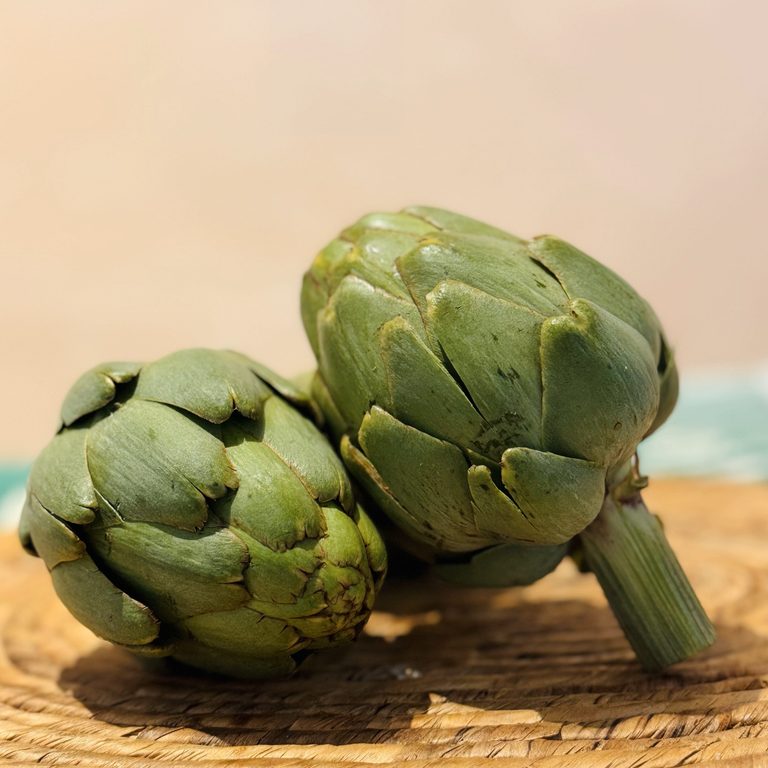
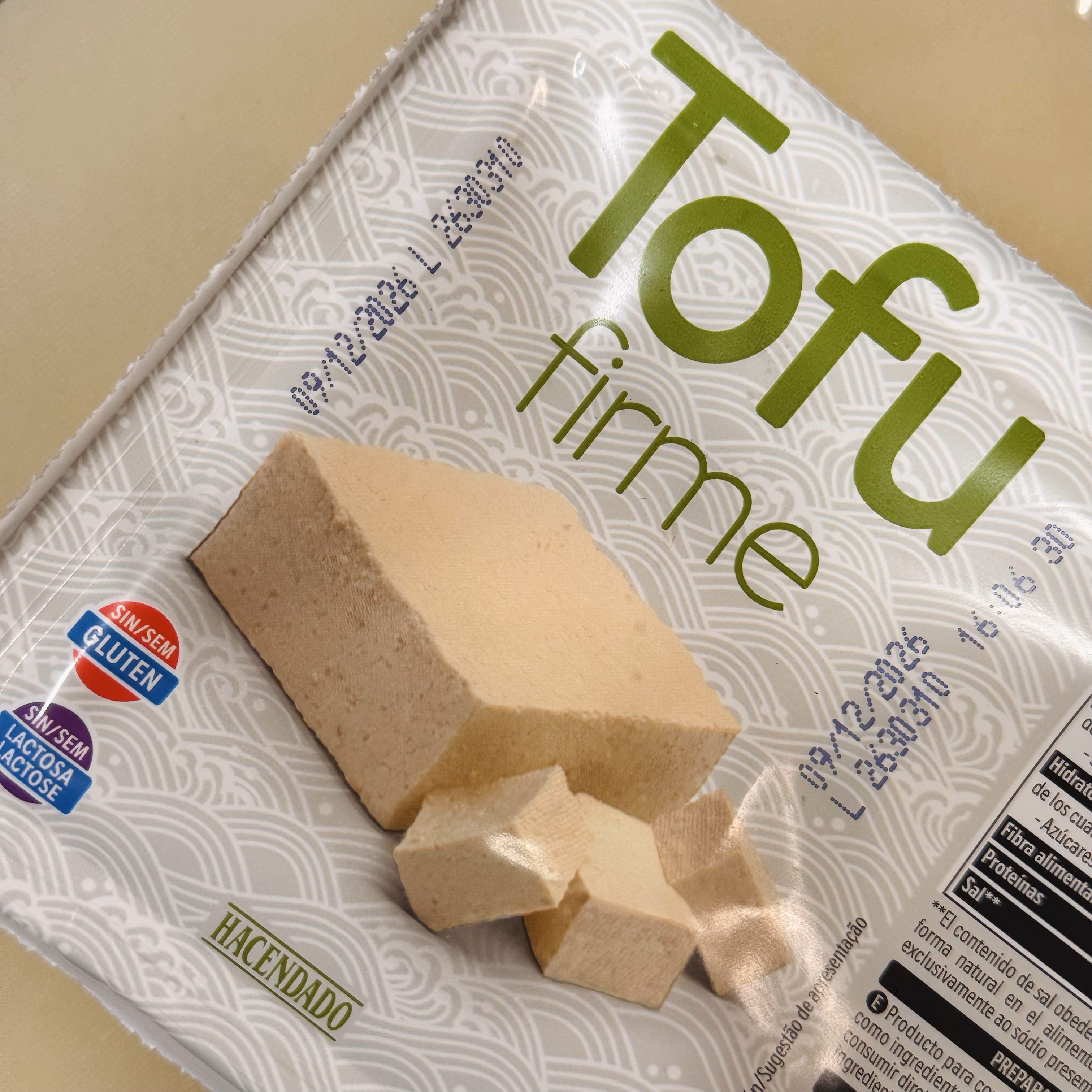
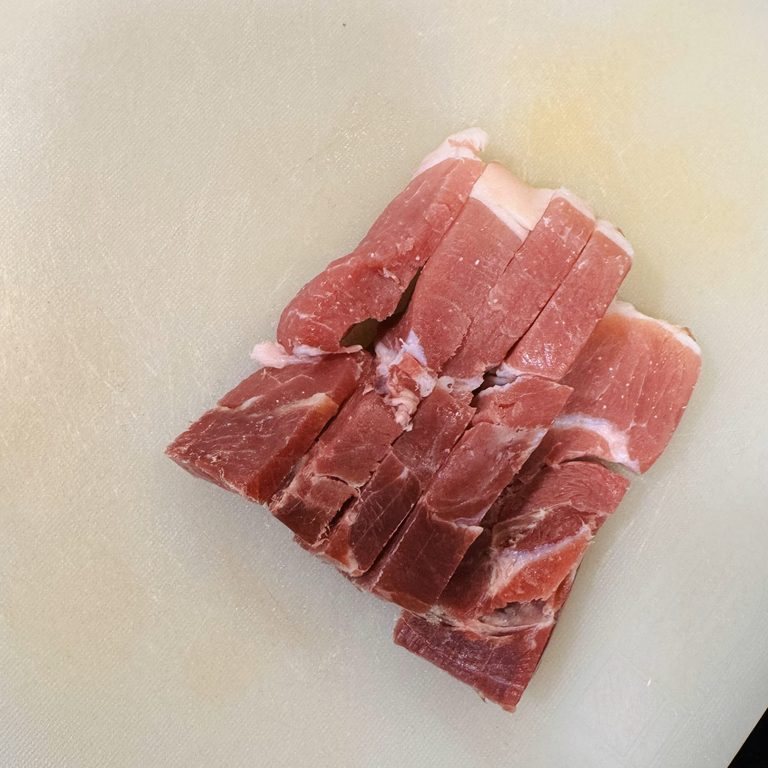
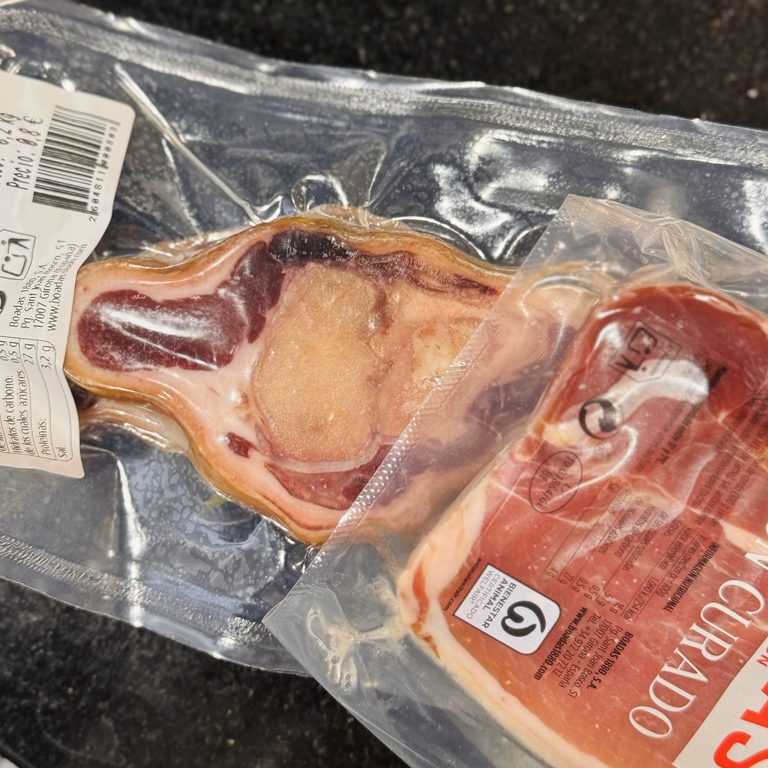
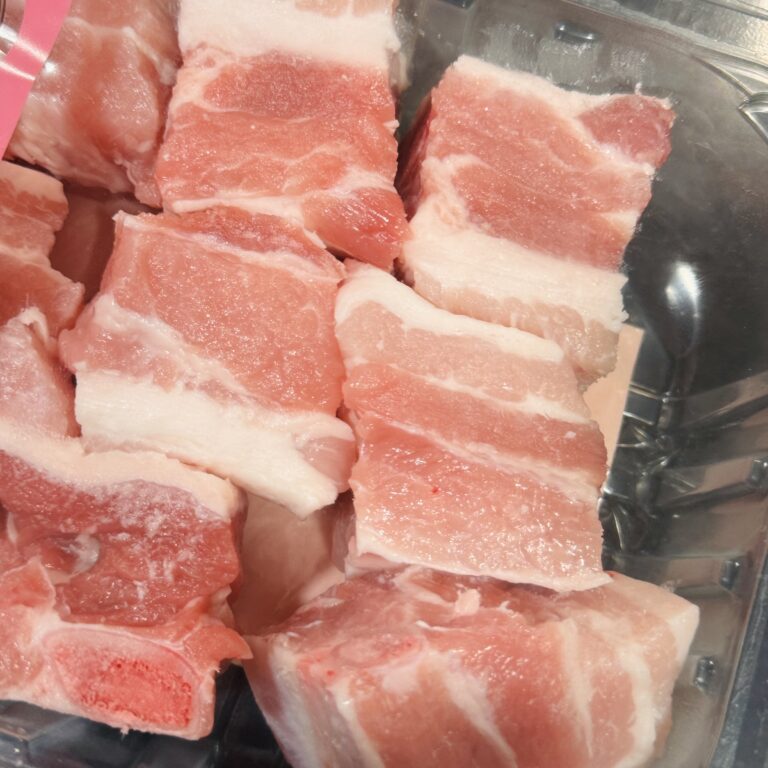
Key Ingredients
- 1 Spanish cured ham bone (hueso de jamón)
- 150g cured jamón, cut into thick chunks
- 300–500g fresh pork ribs, cut into bite-sized pieces
- 3–4 fresh artichokes, tough outer leaves trimmed and hearts quartered
- 1 block firm fresh tofu, cut into thick slices
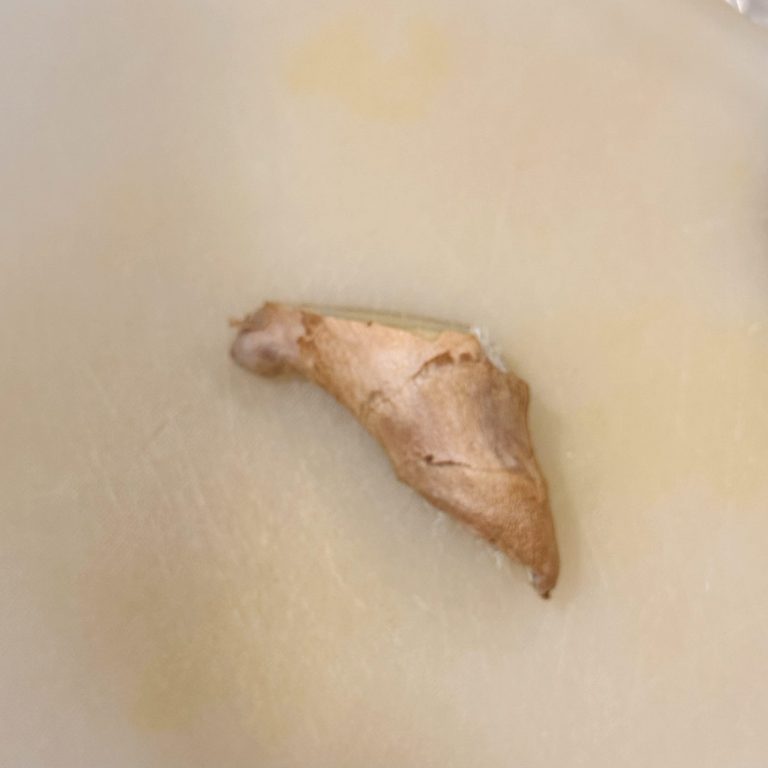
- 3-4 slices of ginger
- 3-4 dried jujube (optional)
The Preparation Ritual
- Place the ham bone, cured jamón chunks, and fresh pork ribs into a pot with cold water;
- Bring to a rolling boil for five minutes. Skim away the grey foam completely, then remove the meat and rinse in warm water. This keeps the soup clean and clear.
- The Long Simmer (Du): Transfer the meats into a clean pot, add jujube and ginger. Cover with plenty of fresh cold water. Bring to a boil, then lower the heat to the gentlest simmer. Cover tightly and let it bubble quietly for one to two hours. The broth will turn pale, velvety, and rich without needing extra salt,as the cured ham bone slowly releases its cure.
- Slide the Tofu into the pot ten minutes before turning off the fire, so the curds drink in the savoury broth.
- Add artichoke In the final five minutes before serving.
- Turn off the heat and finish with a touch of black or white pepper, as you prefer. No salt needed
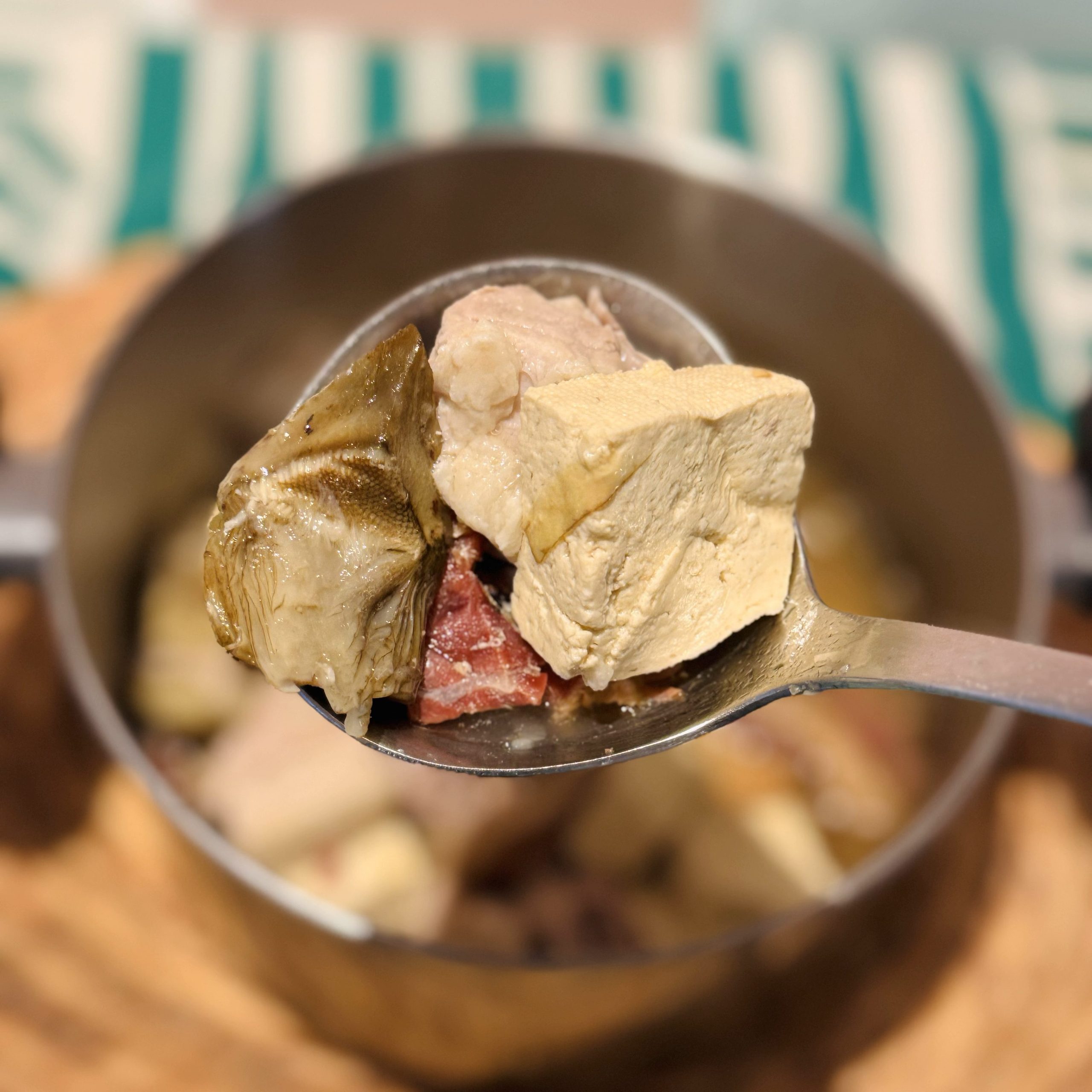
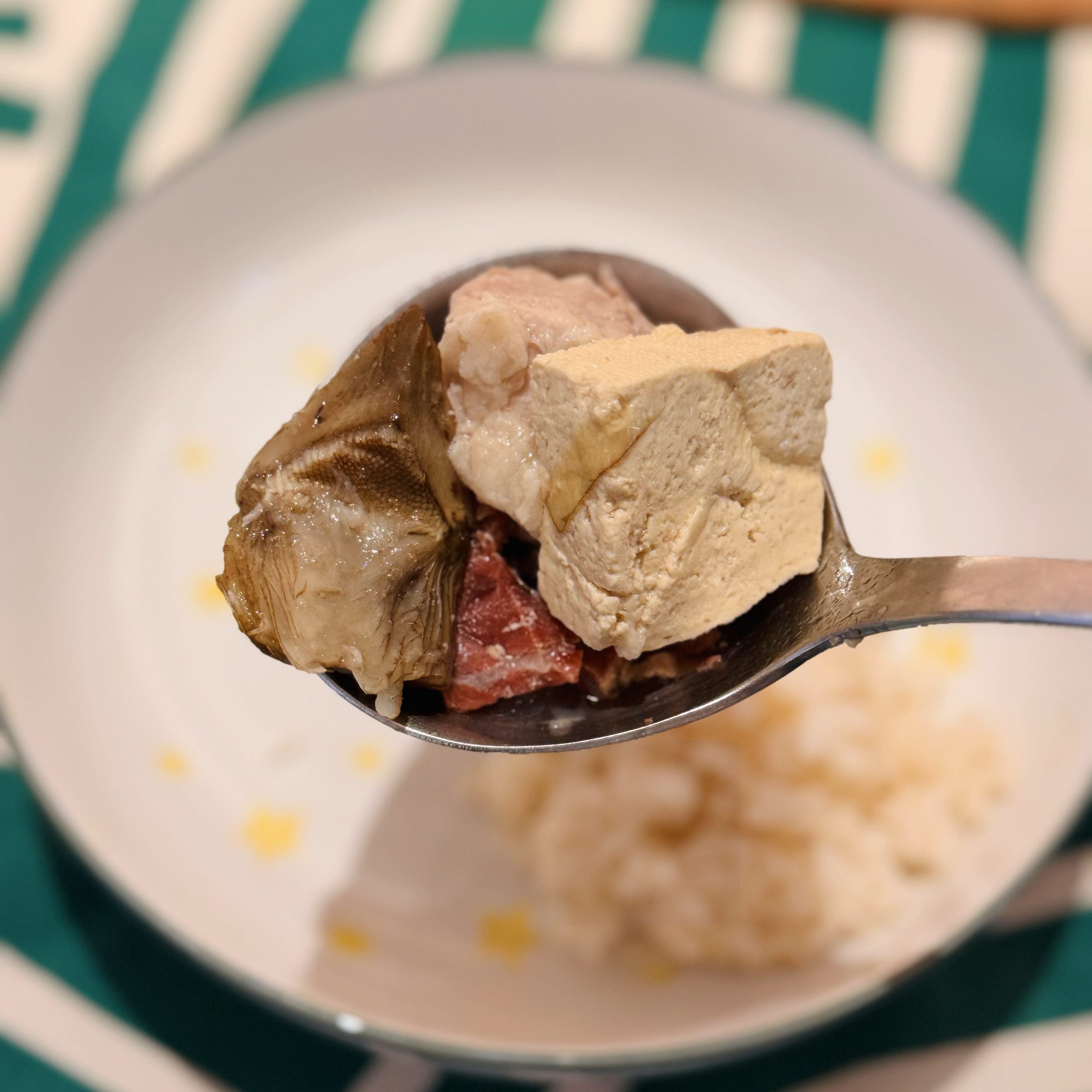
- Ladle the hot soup into ceramic bowls, making sure each person gets a piece of fresh pork, a savoury bit of cured jamón, soft tofu, and artichoke spears.
Common Ground at the Table
My family has lived through three generations of migration. We left Central and Southwestern China for the far northwest, and now I live along the Mediterranean coast. Whenever you move across countries, people naturally focus on differences, asking about contrast, language barriers, and culture shock.
Over the years, I found myself doing the opposite. Wherever I settle, I look for common ground.
Food is where those borders disappear first. Finding Galician cured ham bones with the exact savory soul of Jiangnan salt pork feels like more than kitchen luck. It reminds me that people everywhere share the same basic human needs: we want to stay warm, we want our families fed, and we want comfort when the weather turns grey. Looking for what connects us is how we remove bias and build an intercultural home.
It might sound like wishful thinking, but it is the small seed I try to plant in my son’s heart every day. I don’t need him to achieve grand things in this world. My only hope is that his existence helps people from different corners understand each other a little better.
As Minor Snow settles in, keep your home warm, eat something that takes time on the stove, and enjoy the life you are building.
Stay in Sync with the Seasons
Want gentle, timely reminders when the earth shifts into the next solar term?
Subscribe to the Sinology Studio Lunisolar Calendar to automatically sync ancient seasonal wisdom, rituals, and recipes straight to your phone or Google Calendar. Let’s practice living in harmony with nature, one solar term at a time.