
As we step across the threshold into winter, the ancient living philosophy of Bǔdōng (补冬), nourishing the body’s internal hearth against the cold through slow and restorative heat, becomes an instinctive guide.
Here in Valencia, Spain, the seasonal drop is far gentler than the brutal continental freeze of my childhood in northern Xinjiang, but the body recognizes the cue immediately. As the damp Mediterranean chill creeps across tiled floors, you do not crave light salads or quick sautés. You crave fat, steam, and patience.
When you live far from where you started, culture easily slips into an abstract memory. Cooking prevents that. It becomes a sensory compass. As LìDōng (立冬, the Start of Winter) arrives, I usually prepare our golden lamb broth(the northwestern Xinjiang staple of my childhood). It is how I ground my household, bridging ancient oasis trade routes, my childhood kitchen, and the bowl of soup my son waits for at the table.
The Foundation: Golden Lamb Broth
Northwest mutton cookery relies on simplicity. If the meat is good, keep spices minimal. We let the lamb speak for itself.
The Ingredients
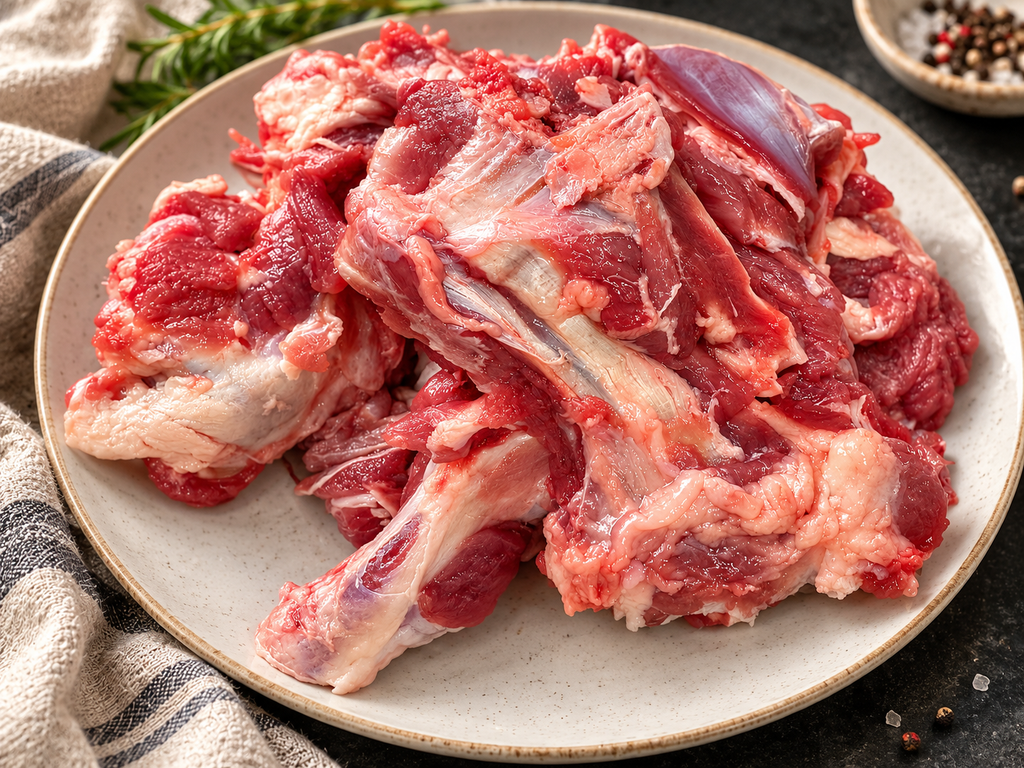
- Lamb leg: Approx 1.5 kg, cut into bone-in chunks (serves 3–4)
- Yellow onion: 1 large, sliced thick
- Oil: 2 tablespoons
- Cold water: Enough to fully submerge the meat by 2-3 centimetres
The Technique
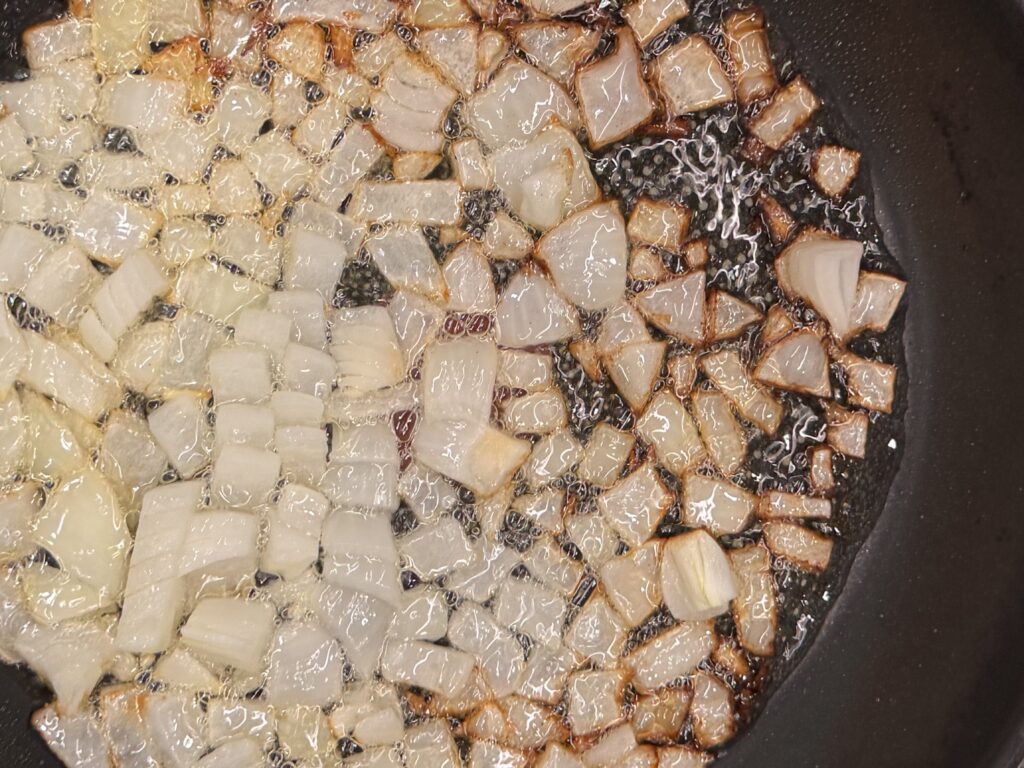
- Season the oil: Heat the oil in a wok over medium heat. Add the thick-cut onion slices. Fry them slowly until they turn deep golden-brown. Fish out every piece of onion and set aside, preserving the fragrant, sweet oil in the wok.
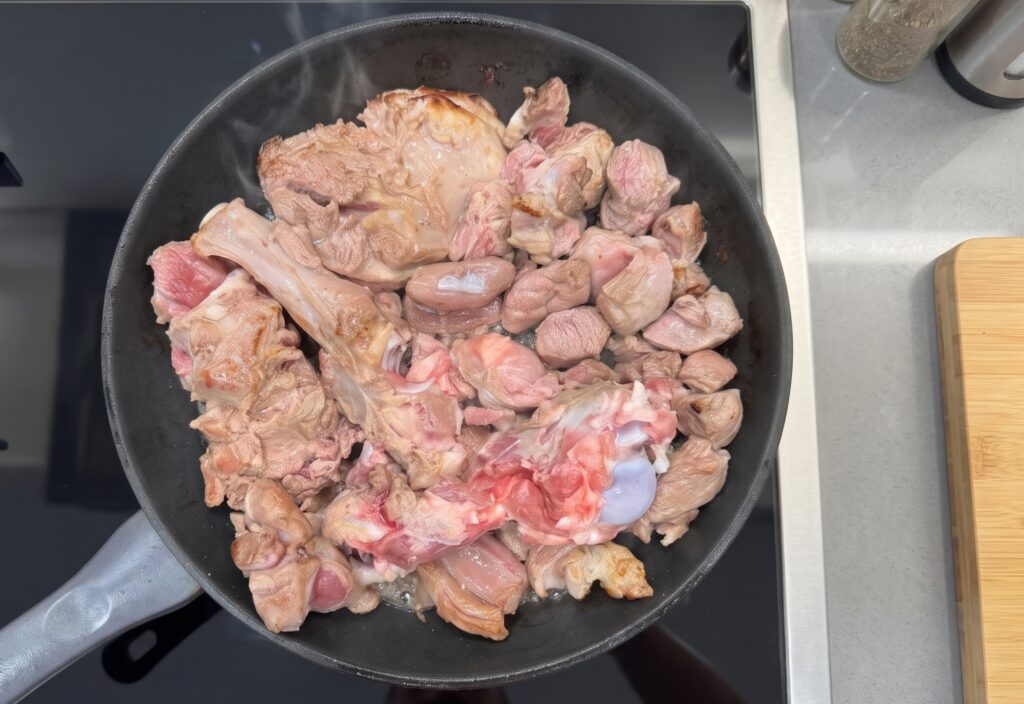
- Sear: Turn the heat up to medium-high. Drop the lamb chunks into the hot onion oil. Brown the meat thoroughly until the edges are caramelised.
- The Long Simmer: Use a wok or a pot and pour in enough cold water to fully cover the meat. Bring the wok to a vigorous rolling boil, carefully skimming off any grey foam that rises to the surface. Lower the heat to the gentlest simmer, cover it, and let it tick away for about 1-1.5 hours. The meat will surrender, turning butter-soft, leaving behind a clear, rich broth.
One Pot = Two Courses + One Dipping
This single pot of slow-simmered broth creates the foundation for a two-course meal, plus a dipping sauce.
The Starter: A Hearth Bowl (With Roots and Fideo)
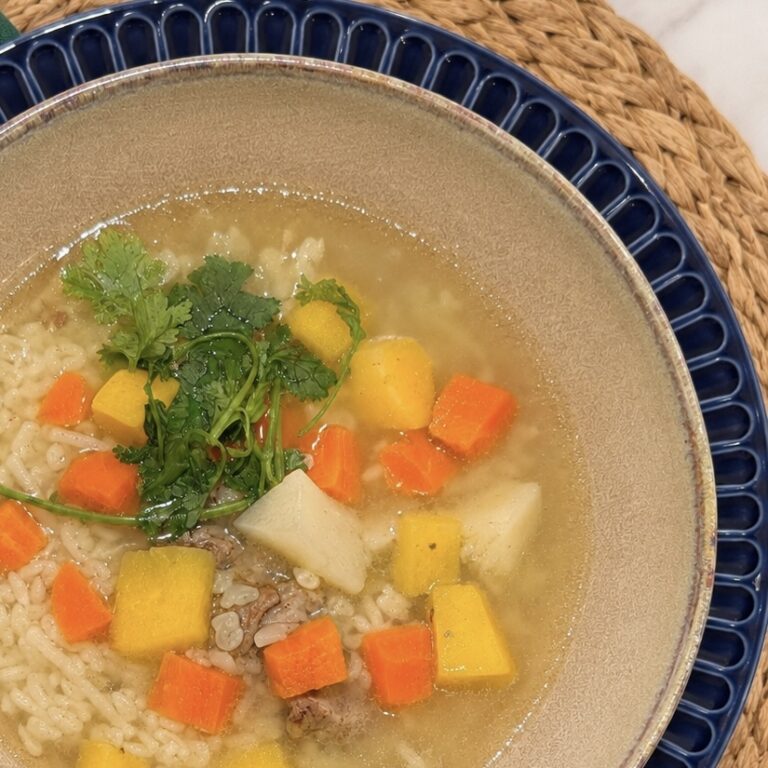
The simplest, most warming way to eat on a cold afternoon as a starter. My son loves it as his comfort bowl when the temperature drops outside and runny nose is coming after him.
Ingredients:
- The lamb broth
- Carrots, parsnips, potato, Turnip, or rutabaga (as you preferred)
- Cilantro
- Star pasta
- Salt
Steps:
- Fetch a pot and ladle the hot broth in, then drop in chunked root vegetables,
- Also add two handfuls of tiny star pasta or fine Spanish fideo fino
- Simmer them for about 15 minutes until all the starch based ingredients softened and absorbed the savoury fat
- Season it only with salt
- Serve the soup in a bowl with a shower of freshly chopped cilantro
The Main Course: Oasis Lamb and Quince Pilaf (Zhua Fan)
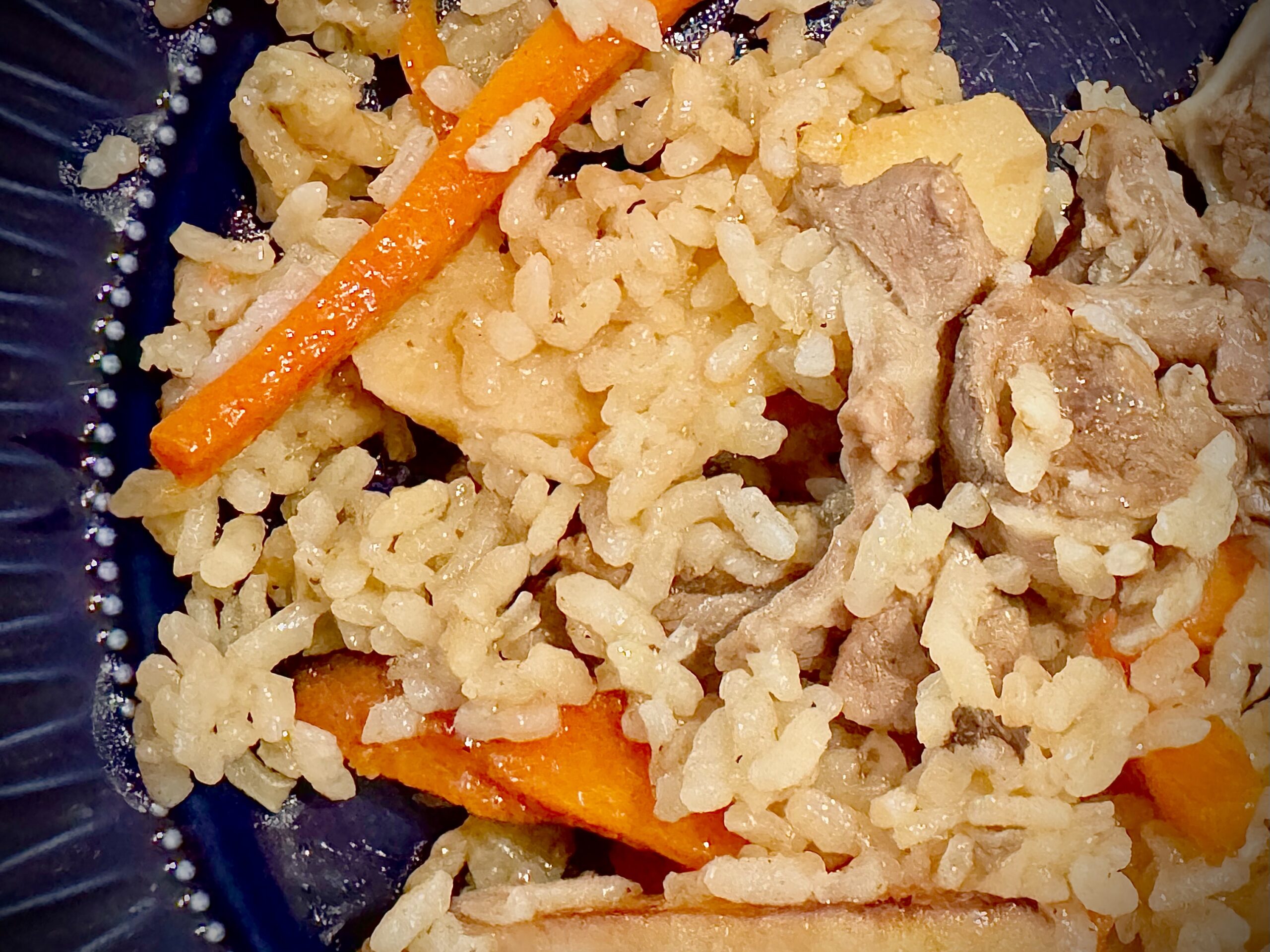
The centrepiece. In northern Xinjiang we cooked this simply with meat, carrots and onions; in southern oases like Kashgar and Hotan, cooks tuck wedges of quince(Behi in Uyghur, rooted in the Persian bihi) into the rice to steam. The fruit’s acidity and honeyed fragrance cut the rich mutton fat completely. I only learned about this southern habit much later in life.
While thousands kilometres away, here in Valencia, crates of fuzzy, pale green quinces(membrillo in Spanish) have just arrived in the local frutería lately, destined for Spanish pots to make sweet paste for Manchego cheese. It is no coincidence. It is the living echo of Silk Road and Islamic trade routes. Both cultures faced the same culinary challenge: a rock-hard, astringent fruit impossible to eat raw, tamed solely through gentle steam and patience until the flesh releases a floral perfume that cuts clean through rich mutton fat.
Ingredients:
- The lamb broth
- Lamb trunks
- Julienned carrots and quince
- Salt
Steps:
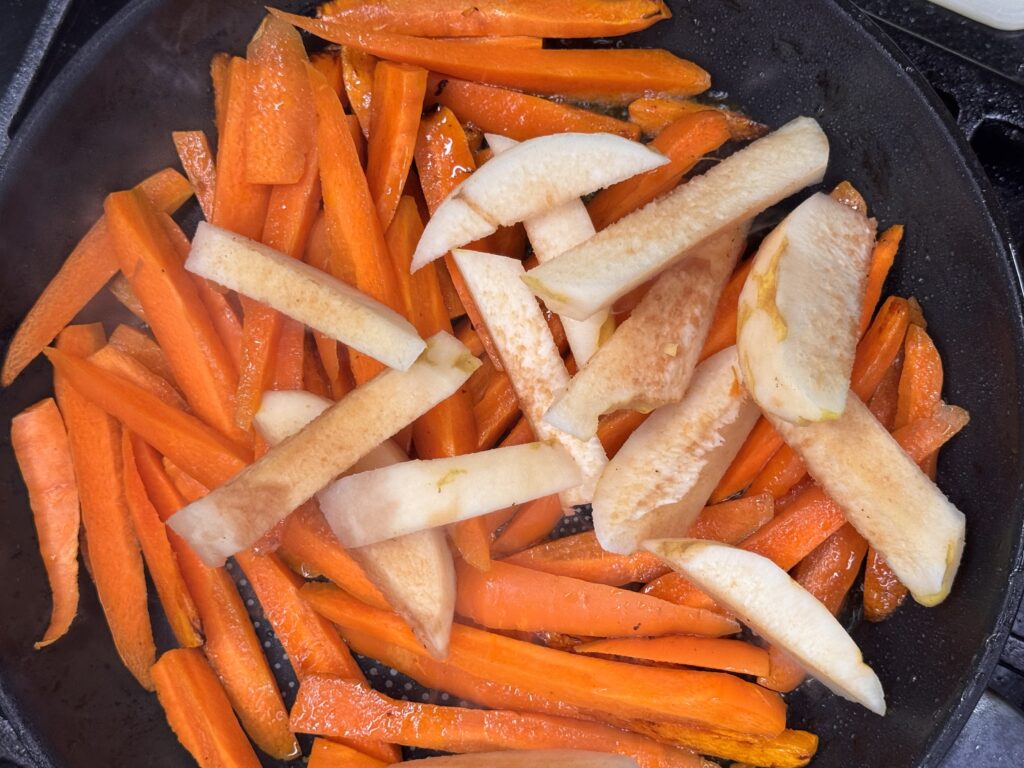
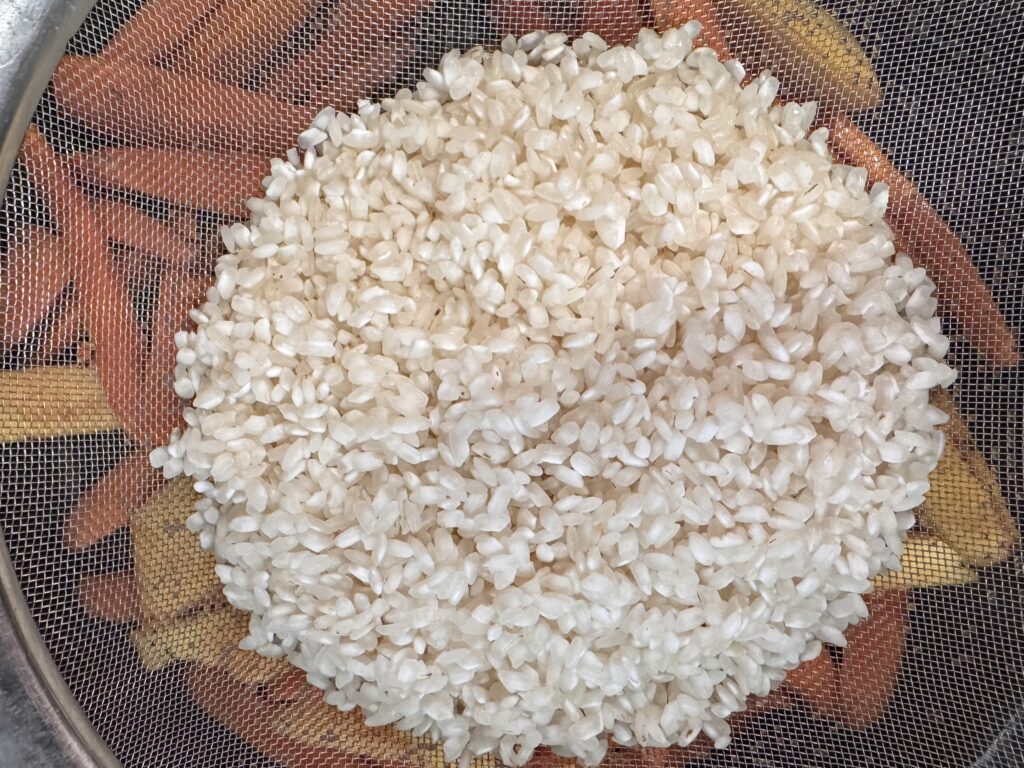
- The Base: Wash rice until the water runs clear(I usually use two handfuls as one serving); drain well. In a wok, heat a spoonful of oil. Add julienned carrots and quince, then panfry until soft and limp, fetch them out when well done.
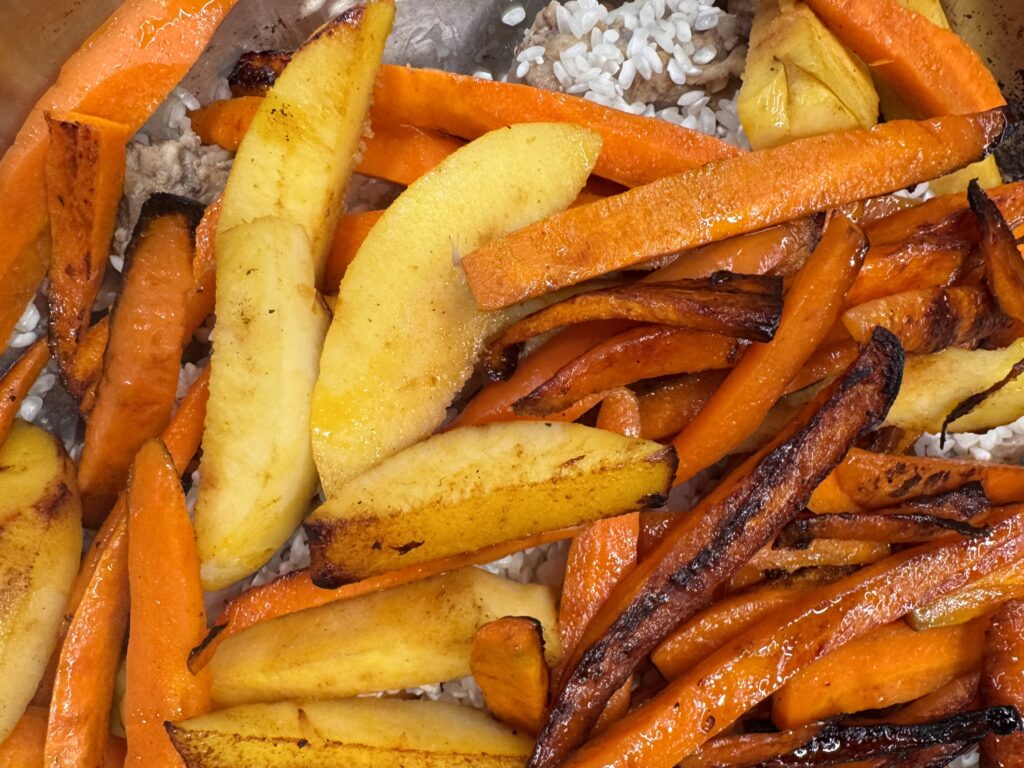
- Assemble: Layer the lamb chunks at the bottom of the wok, distribute cooked quince and carrots among the meat, and spread the drained rice evenly across the top.
- The Steam: Gently pour in the hot lamb broth until the liquid sits roughly 1 to 2 cm above the rice bed. Bring to a rapid boil uncovered. Once the liquid drops below the surface of the rice, immediately seal with a tight lid and lower the flame to the minimum.
- The Rest: Let it steam undisturbed for 10 to 15 minutes until all water is absorbed. Turn off the heat entirely. Do NOT lift the lid. Let it rest in its own gentle heat for at least 10 minutes before opening and folding the fluffy grains, softened fruit, and savoury meat together.
Grandma’s Secret Cumin-Onion Dipping Sauce
A secret recipe comes directly from my grandmother, who still lives in Northwestern China. She was not born in Xinjiang; she arrived more than sixty years ago, and despite never losing her Chongqing(Southwest China) accent, she settled, grew roots, and mastered the local northern way of living, including this delicious dipping sauce.
Here’s her trick cuts cleanly through the rich, unctuous fat of the meat:
- Place some raw diced onion, cumin powder, and salt into a small condiment bowl.
- Splash the boiling broth directly over them. The heat instantly softens the raw onion’s sting, releasing pungent aromatics and cumin oils into the golden fat.
- Pluck a piece of stewed lamb straight from the pot, dip and and eat.
You simply cannot find a better dipping sauce than one derived directly from the cooking liquid itself.
An Invisible Thread
There is a strange, quiet wonder in standing at a stove in southern Europe, peeling a fruit that traveled the same medieval trade routes my ancestors walked.
In the diaspora, you often wonder what survives. You pack boxes, learn new grammar, adapt to Mediterranean timetables, and wonder if the lineage thins out with every border crossed. Yet watching my son slurp golden lamb broth mixed with Spanish soup noodles, reaching for sweet wedges of steamed quince, I see that the thread doesn’t snap. It simply widens.
As we cross into LìDōng, nature begins its great contraction. The fields go dormant, the sap sinks into the roots, and the air demands extra layers. Take this seasonal threshold as permission to slow down. Simmer the pot long, feed the people you love, and stay warm in the season ahead.
Stay in Sync with the Seasons
Want gentle, timely reminders when the earth shifts into the next solar term?
Subscribe to the Sinology Studio Lunisolar Calendar to automatically sync ancient seasonal wisdom, rituals, and recipes straight to your phone or Google Calendar. Let’s practice living in harmony with nature, one solar term at a time.